Heads up: CrazyCatVid is reader supported. Some links below are affiliate links (Amazon, Litter-Robot, Life's Abundance). If you buy through them I earn a small commission at no extra cost to you. Every product here has been through my own four cats first.
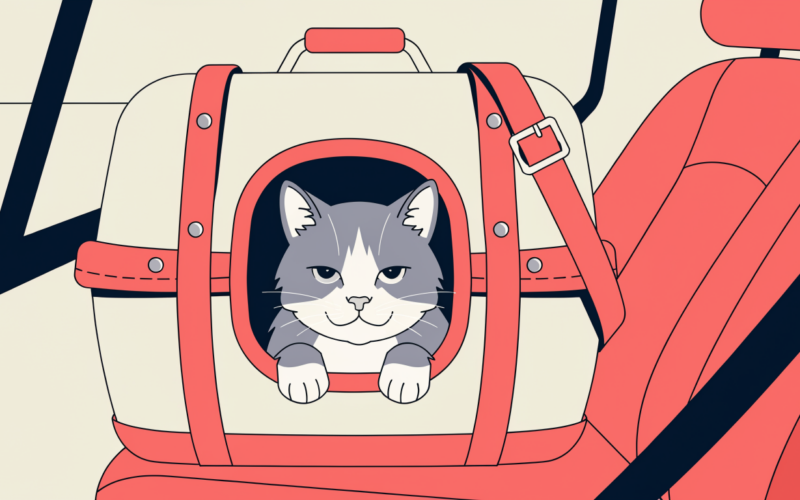
Short answer: leave the carrier out in a quiet room your cat already uses, line it with soft bedding that smells like home, and let your cat explore it on their own terms. Once the carrier is just another piece of furniture, getting in it stops meaning “something bad is about to happen.”
Our latest Short walks through this in under a minute:
Why cats vanish when the carrier comes out
Think about it from your cat's side. In a lot of homes the carrier lives in a closet or the garage and only shows up right before a vet visit. PetMD points out that because the carrier usually appears just before something unpleasant, many cats learn to run or hide the second they see it. The American Association of Feline Practitioners adds that cats are most comfortable with what's familiar, so an unfamiliar carrier on top of an unfamiliar car ride stacks up the stress fast.
So the problem usually isn't the box itself. It's what the box has come to predict.
Make the carrier part of the room
The fix is to break that link. The AAFP recommends keeping the carrier out in a room where your cat already spends time, not tucked away somewhere it only comes out of before trips. PetMD goes further and suggests leaving it on the floor in plain sight around the clock. RSPCA Australia says to pick a quiet, familiar spot rather than a busy part of the house.
If your carrier has a door that can swing, prop it so it stays open. You don't want the first “surprise” to be a door clicking shut behind them.
Use bedding that already smells like home
Scent matters a lot to cats. The AAFP suggests soft, familiar bedding inside the carrier, and notes that a blanket or piece of clothing with your scent on it can help your cat feel more secure. RSPCA Australia gives the same advice: favorite bedding, a toy, or something worn that smells like you.
Some owners also use a synthetic feline pheromone spray or wipe in the carrier. The AAFP says these may help lower anxiety, so it's worth asking your vet about if your cat is especially jumpy.
Let your cat decide (and reward the small wins)
This is the part most of us rush. Every source we looked at says the same thing: don't force it. RSPCA Australia warns that pushing a pet into a carrier makes the fear worse, and the AAFP says not to coax your cat in while they're still getting used to it.
Instead, leave a few treats, a toy, or even part of a meal near the entrance or inside, then walk away. The AAFP mentions that owners often find the treats gone the next morning, which is a great sign. When your cat sniffs it, steps in, or naps in it, reward that with praise or a treat.
Once your cat is relaxed going in, both PetMD and RSPCA Australia suggest closing the door for just a few seconds, then opening it again, and slowly building up from there. Next comes lifting the carrier a little, carrying it around the house in short bursts, and eventually short car trips with a treat at the end. The AAFP says building that trust can take days or even weeks, so go at your cat's pace.
A carrier that opens from the top helps too
Design makes a difference. PetMD notes that a top door lets your vet examine your cat while they stay in the carrier, and the AAFP describes lowering a cat in from the top or removing the top half so they can settle into the base. RSPCA Australia even suggests training with the lid off first so the base becomes a familiar resting spot.
If you're shopping for one, see what finally worked for Penelope in our best cat carrier for nervous cats review.
The big idea is simple. Let the carrier be boring and ordinary long before it ever has to go anywhere. Got a cat who naps in theirs? Tell us in the comments on the Short, and find more cat tips at CrazyCatVid.com.